

Indian ethnic wear is one of those timeless styles that never goes out of fashion. A saree that your mother wore years ago can still look beautiful today. A simple salwar suit can work for your office or even a festival. And when there is a wedding there is always an excuse to bring out the lehenga.
But Indian ethnic fashion is much bigger than just sarees and lehengas. There are so many styles in outfit combinations available today that choosing one can sometimes feel confusing.
Table of Contents
Saree

A saree is probably the first outfit that comes to your mind when you think about Indian ethnic wear for women. It is simple in concept and also very versatile. The same saree can look completely different with different blouses or accessories. For everyday wear you can choose a lightweight cotton saree. For a wedding or party, you can go for something with embroidery or sequins.
Salwar suit
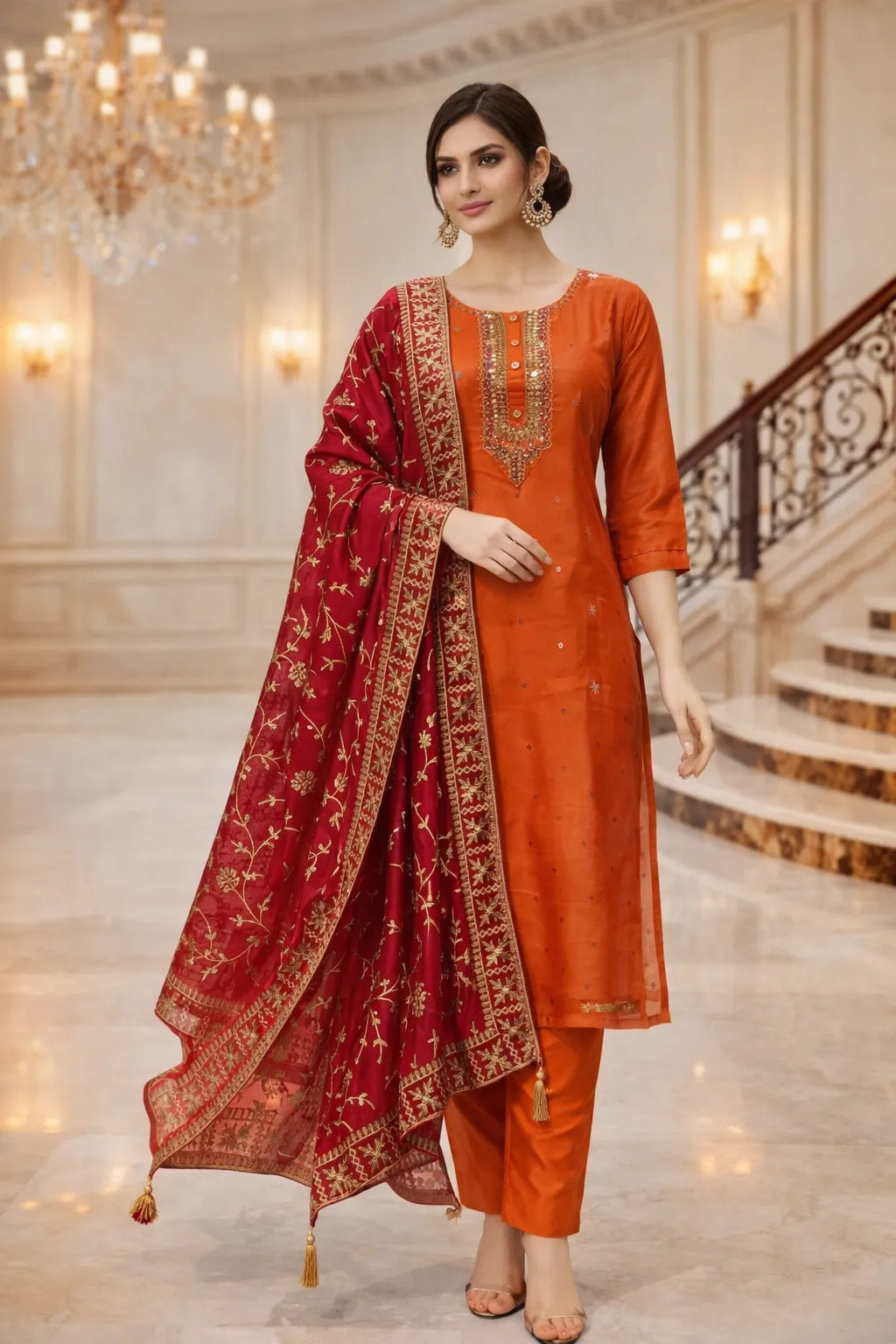
Salwar suits often come with a kurta or a kameez, a bottom and a dupatta. But the actual style can change quite a bit. You can have a straight suit or Anarkali palazzo suit and many other variations. Add some embroidery and a nicer dupatta and suddenly it is ready for a family function.
Anarkali suit
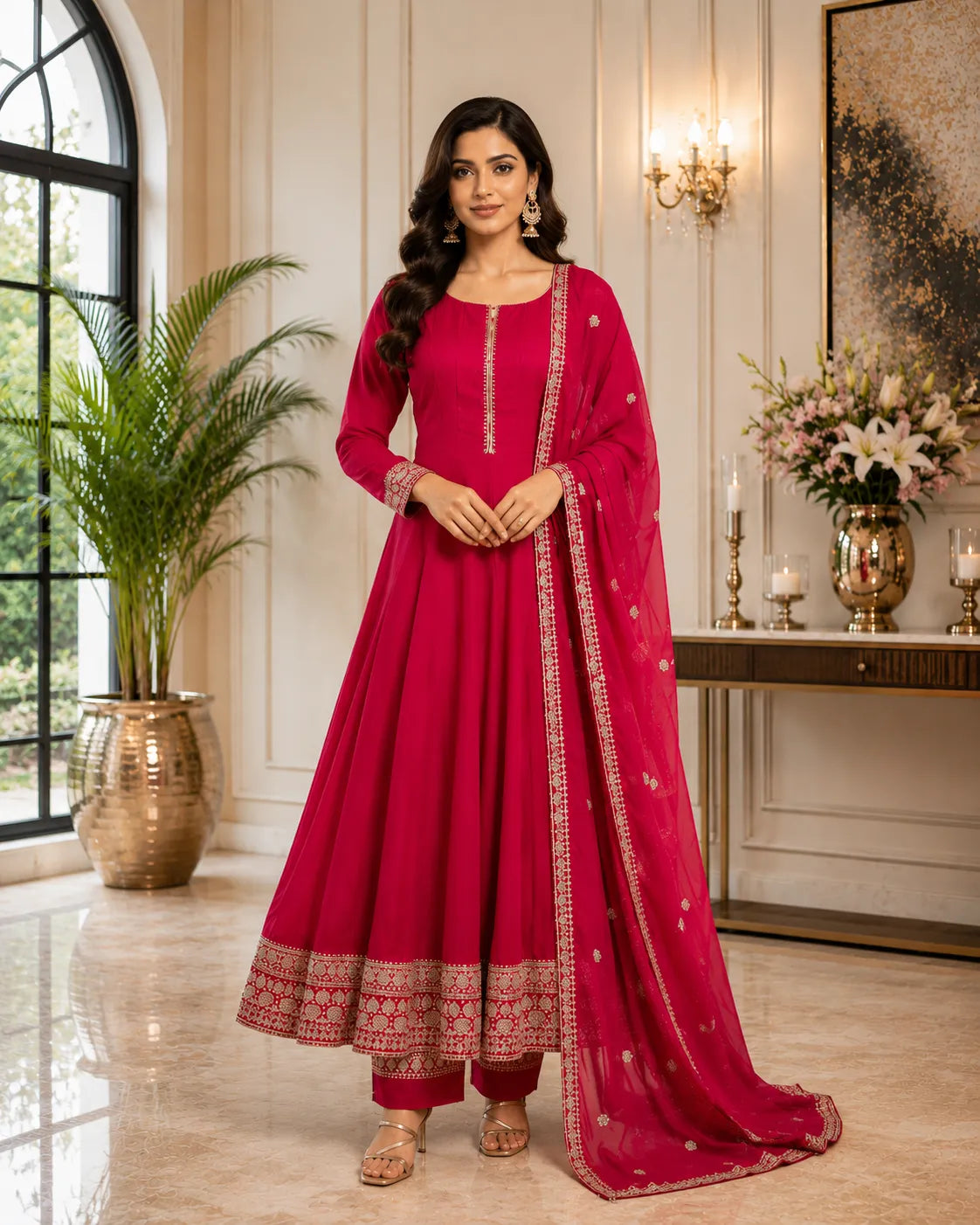
Anarkali suits are perfect when you want something graceful without wearing a dupatta. The kameez is usually fitted around the upper part and then becomes wider towards the bottom. You can keep Anarkali simple with cotton and small prints or go for embroidery and richer fabrics for a special occasion.
Lehenga
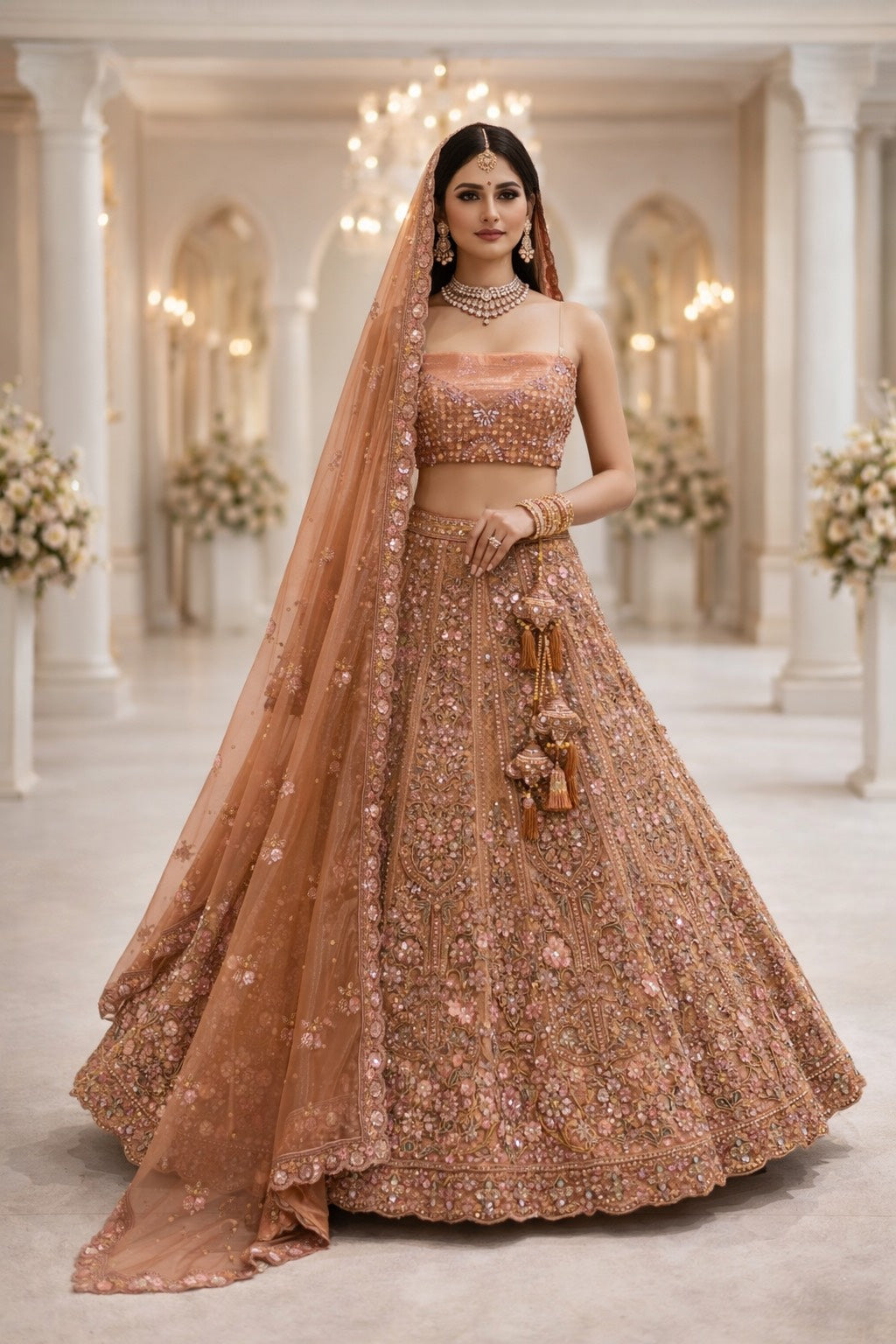
Lehenga is often one of the first outfits that you can start thinking about when the invitation says wedding. A lehenga usually comes with a flared skirt, choli, and a blouse. The design can be simple or heavily embroidered depending on the occasion. You don't need a bridal lehenga. A lighter non-bridal lehenga works beautifully for mehndi or sangeet.
Sharara set
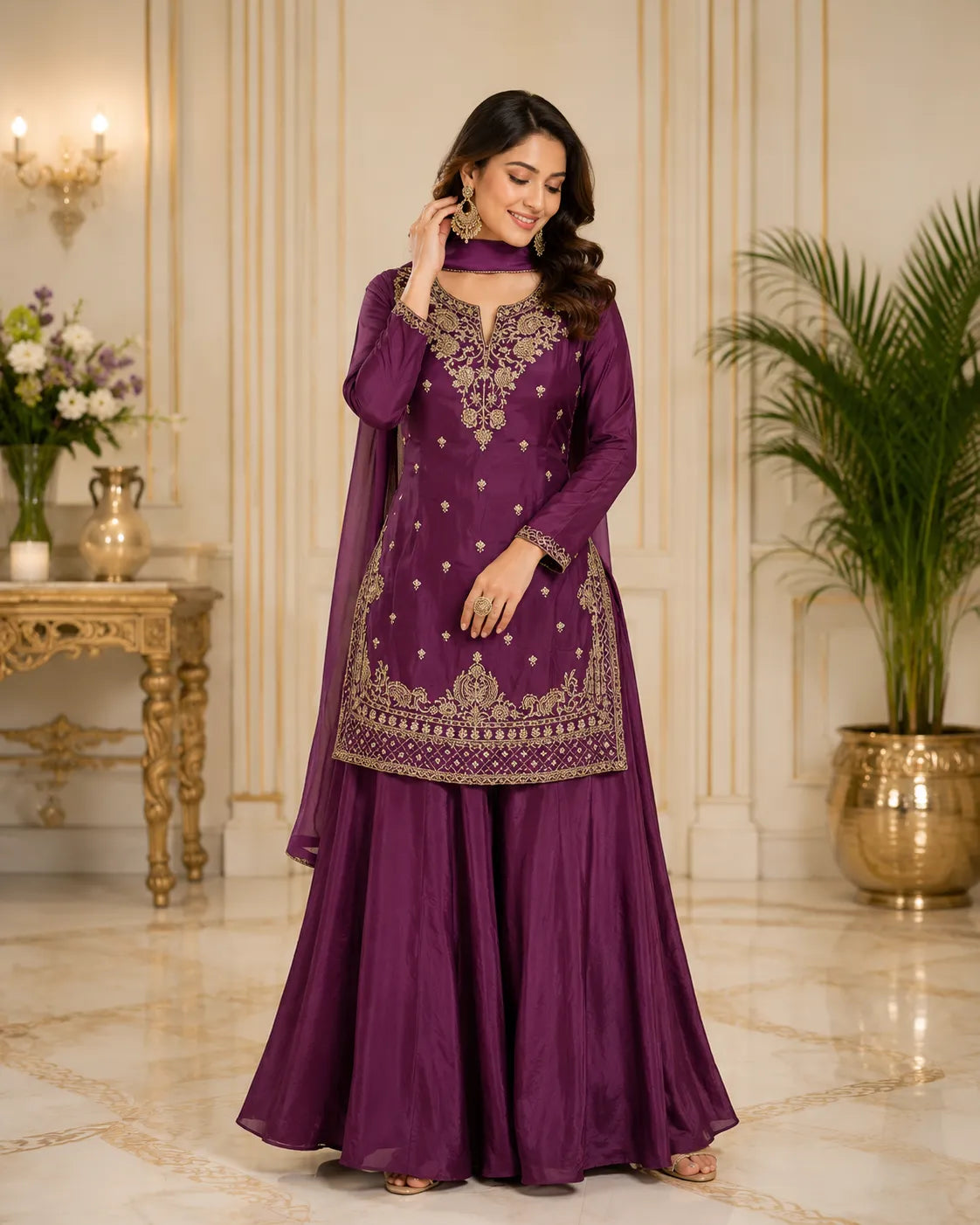
Sharara sets have become a favourite for wedding functions and it's easy to see why. The wide flared pants give the outfit plenty of movement. Usually the Sharara is paired with a short kurta or dupatta. It feels festive but it is easier to move around in than some heavier outfits.
Gharara
Gharara and Sharara might sound the same but there is a difference. A traditional Gharara generally has a fitted upper leg and flares below the knee. This design makes it unique and gives it that spectacular appearance for festive occasions and weddings.
Palazzo suit
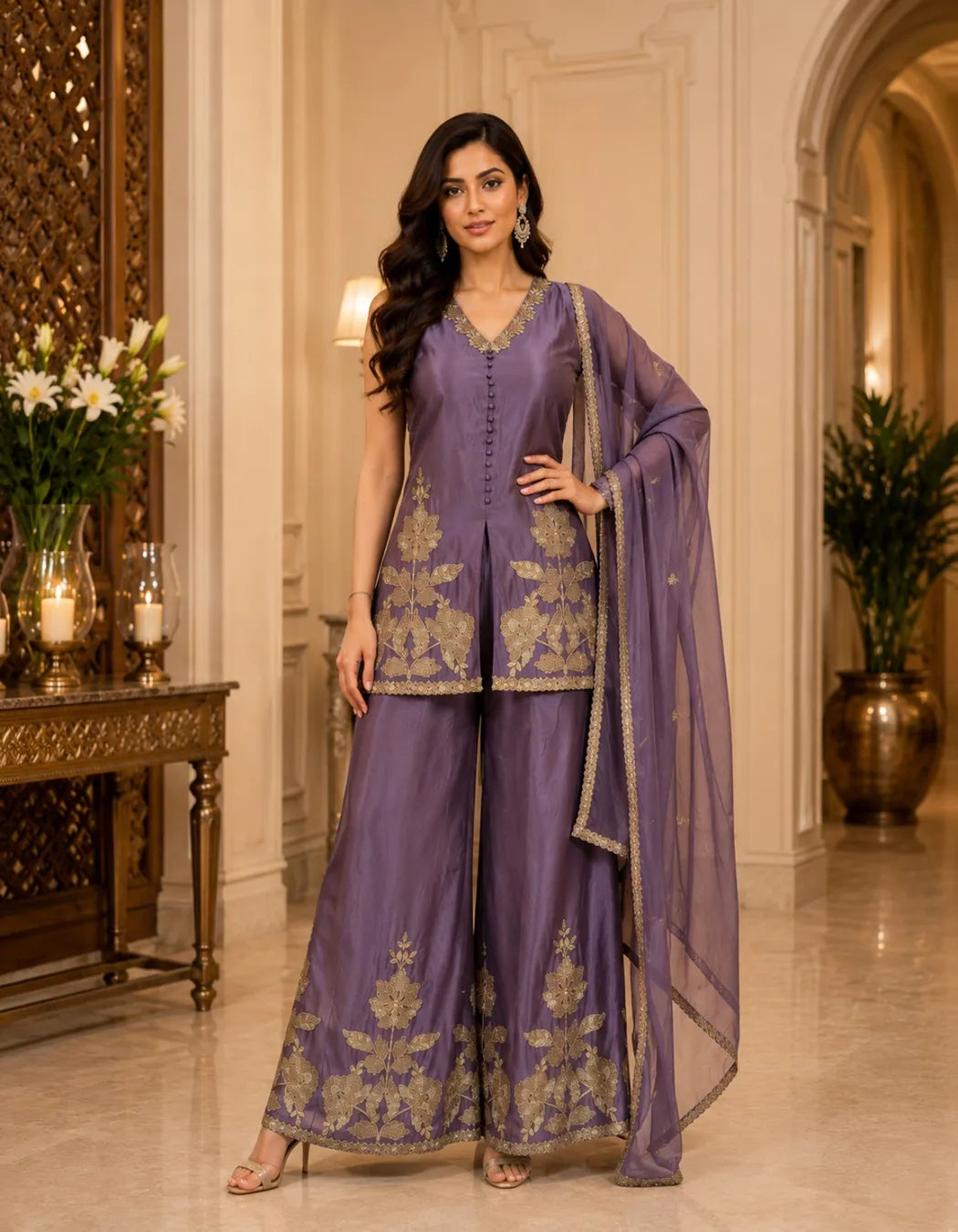
If you like loose and comfortable bottoms, you will probably enjoy palazzo suits. The kameez is paired with wide-leg palazzo pants. You can get the comfort of a relaxed bottom without losing the coordinated look of an ethnic outfit.
Ready-to-wear saree
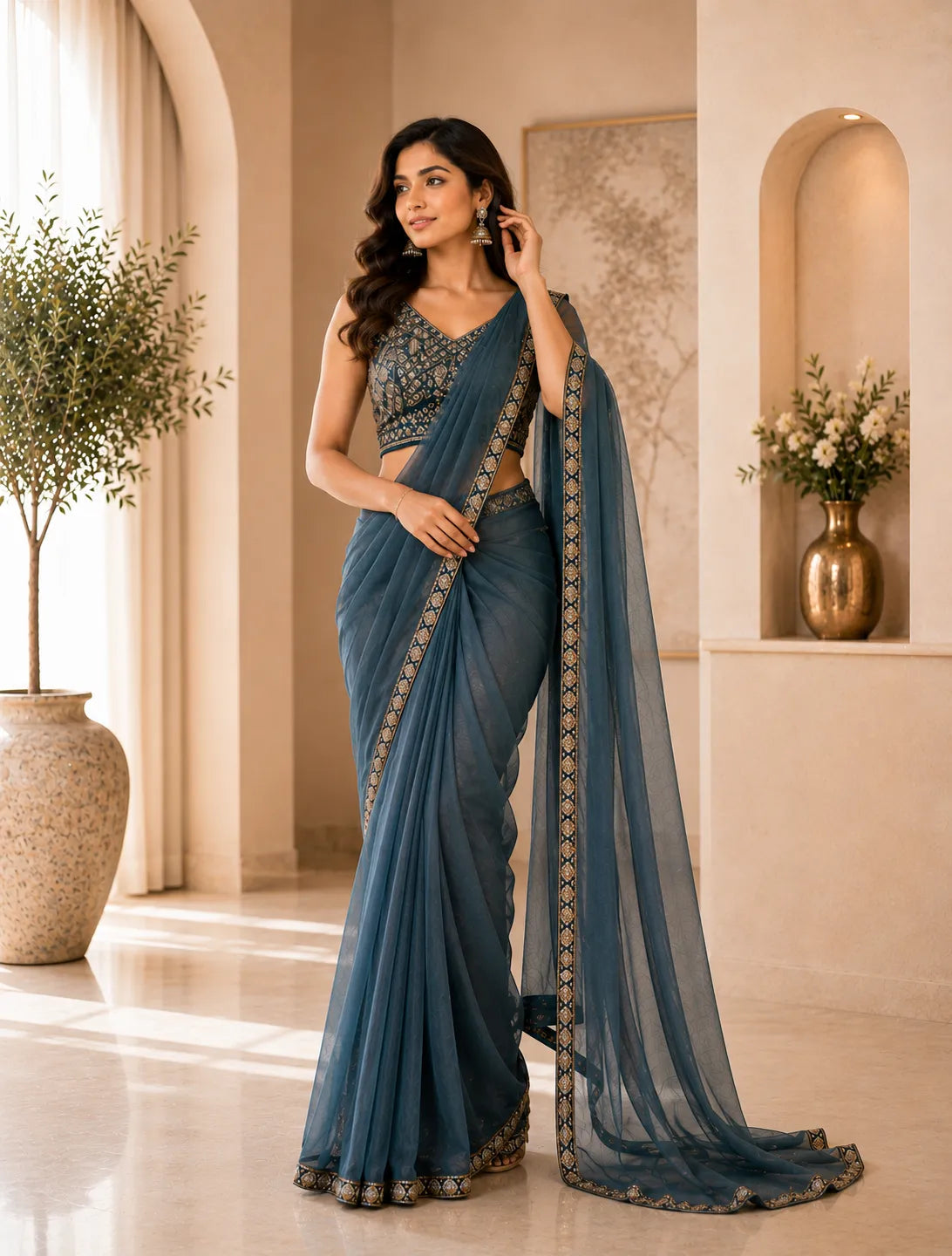
Ready-to-wear sarees can make things really easy if you don't enjoy spending your time getting pleats and drapes right. These sarees are designed to give you the look of a traditional saree without requiring the usual draping process. They can be useful when you are getting ready for a party or reception and want to save more time.
Indo-western outfit
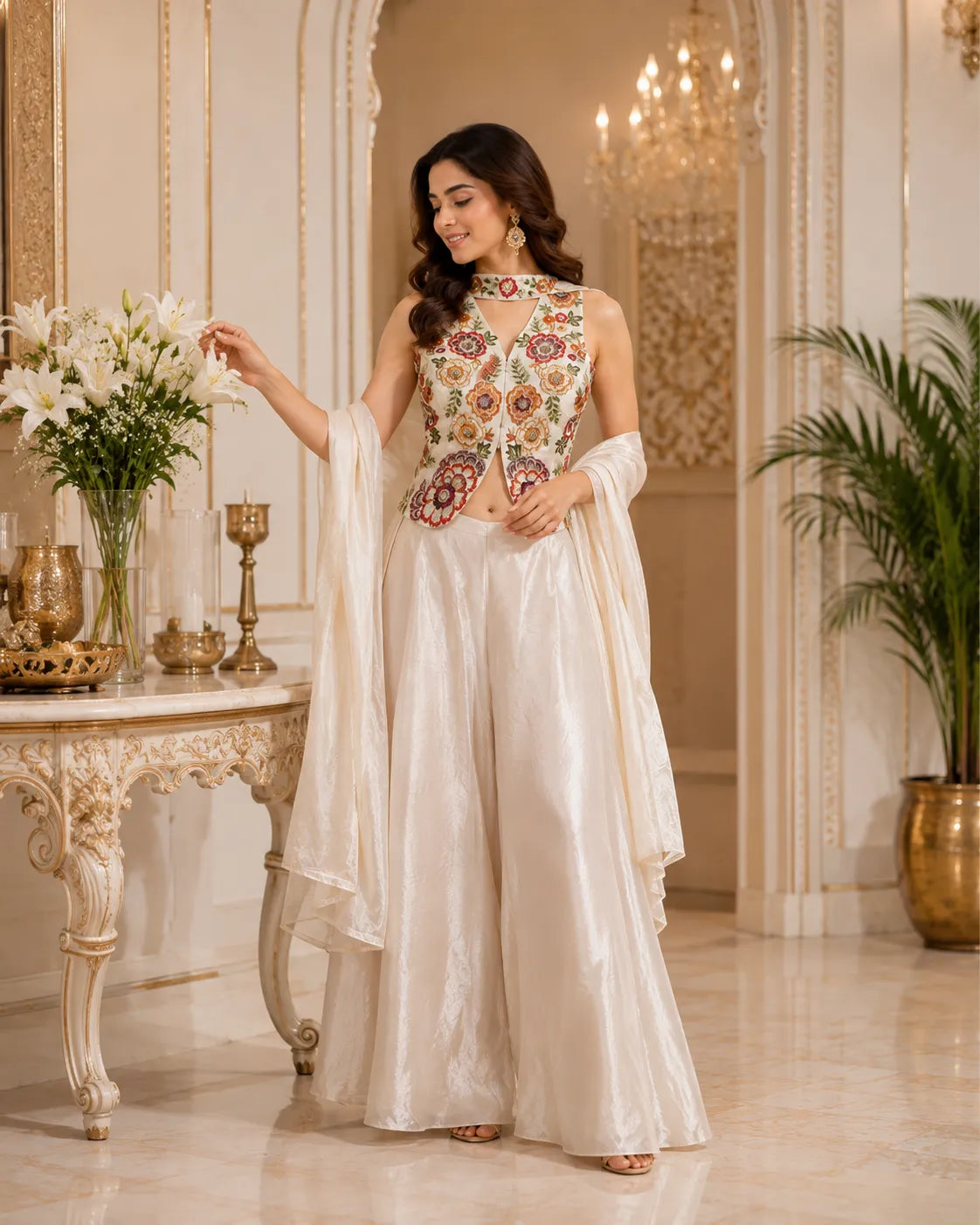
Not every day calls for a completely traditional outfit. Indo-western clothing is a nice option when you want something that has Indian details but feels more contemporary. It could be a modern kurti with trousers or a fusion set.
Co-ord Ethnic Set
The top and bottom here are designed to match, so the outfit already looks put together. Co-ord sets are especially useful when you want to look dressed up without spending too much time putting an outfit together.
Pre-Stitched Saree -
The pre-stitched saree is a good option if you love the look of a saree but don’t want to spend time arranging pleats and draping it. The saree comes pre-pleated, which is so much easier to wear. You will find simple styles for smaller functions, or embellished designs for parties and celebrations.
Patiala Suit
A Patiala suit is made up of a Patiala pant which is a loose, pleated pant paired with a kurta and usually a dupatta. The relaxed bottom gives the outfit a comfortable feel and the kurta keeps the look traditional. For everyday wear, you can opt for a simple cotton Patiala suit or a more colourful and detailed one for festive occasions.
Dhoti Suit
A dhoti suit is a combination of the traditional look of Indian clothing and a distinctive dhoti-style pant shape. The bottom is usually gathered or draped, offering a relaxed silhouette and can be worn with a kurta, tunic or short top. It’s a good choice when you want an ethnic outfit that feels a little different from regular salwar suits.
Angrakha
The name of an Angrakha suit is taken from the overlapping design of the kurta at the front. The two sides cross each other and are usually fastened by means of ties or a decorative detail. The result is an outfit that looks unique, but still firmly falls into the category of traditional Indian clothing. Angrakha suits can be plain for casual wear or have embroidery for festive occasions.
Kaftan Suit
The kaftan suit has a loose and flowing silhouette, which makes it comfortable to wear. It is typically a part of a kaftan-style top with trousers or pants or another coordinated bottom. Kaftan suits are suitable for both casual get-togethers and festive occasions, depending on the fabric and detailing.
Which Ethnic Wear Should You Choose?
| Occasion | Good choices |
|---|---|
| Everyday wear | Salwar Suit, Patiala Suit, Palazzo Suit |
| Office | Saree, Indo-Western Outfit, Co-ord Ethnic Set |
| Festival | Anarkali Suit, Angrakha, Kaftan Suit |
| Mehendi | Sharara Set, Lehenga, Gharara |
| Wedding | Lehenga, Saree, Gharara |
| Reception | Ready-to-Wear Saree, Pre-Stitched Saree, Kaftan Suit |
| Party | Indo-Western Outfit, Sharara Set, Co-ord Ethnic Set |
| Family function | Anarkali Suit, Salwar Suit, Angrakha |
Conclusion
So you need to know that there are so many types of Indian ethnic wear for women today that you really don't have to stick to one style. Maybe you are someone who feels more comfortable in a saree, maybe you prefer the ease of a salwar suit or perhaps you love getting dressed up in a lehenga or a Sharara set when there is a wedding. That is a fun part of Indian ethnic fashion. Traditional clothing doesn't have to look the same every time. So when you are choosing the next ethnic wear outfit, think about where you are going and how comfortable you want to be.