

A salwar suit is one of those outfits that somehow fits into almost every part of your wardrobe. You can wear a simple cotton suit to work or choose an embroidered anarkali for a family celebration. And that is exactly what makes choosing one a little confusing. There are so many types of salwar suits that the names can start to blur together. What is the difference between a patiala and a Punjabi suit? Is a palazzo suit the same as a straight suit?
Table of Contents
- Anarkali suit
- Punjabi salwar suit
- Patiala suit
- Churidar suit
- Straight cut salwar suit
- Palazzo suit
- Sharara suit
- Gharara suit
- Pakistani salwar suit
- Afghani salwar suit
- A-line salwar suit
- Frock style suit
- Cotton salwar suit
- Embroidered salwar suit
- Printed salwar suit
- Designer salwar suit
- Flared salwar suit
- Drape style suit
- Asymmetrical suit
- Heritage cotton suit
- Conclusion
Anarkali suit

Anarkali suit is one of the first styles that comes to your mind when you think about traditional Indian clothing. Its defining feature is the A-line kameez. It is usually more fitted around your upper body before opening into a wider flare towards the bottom. A cotton anarkali with small prints works for daytime wear, while embroidered rich fabrics and a dupatta can make the same silhouette suitable for wedding or festive occasions.
Punjabi salwar suit
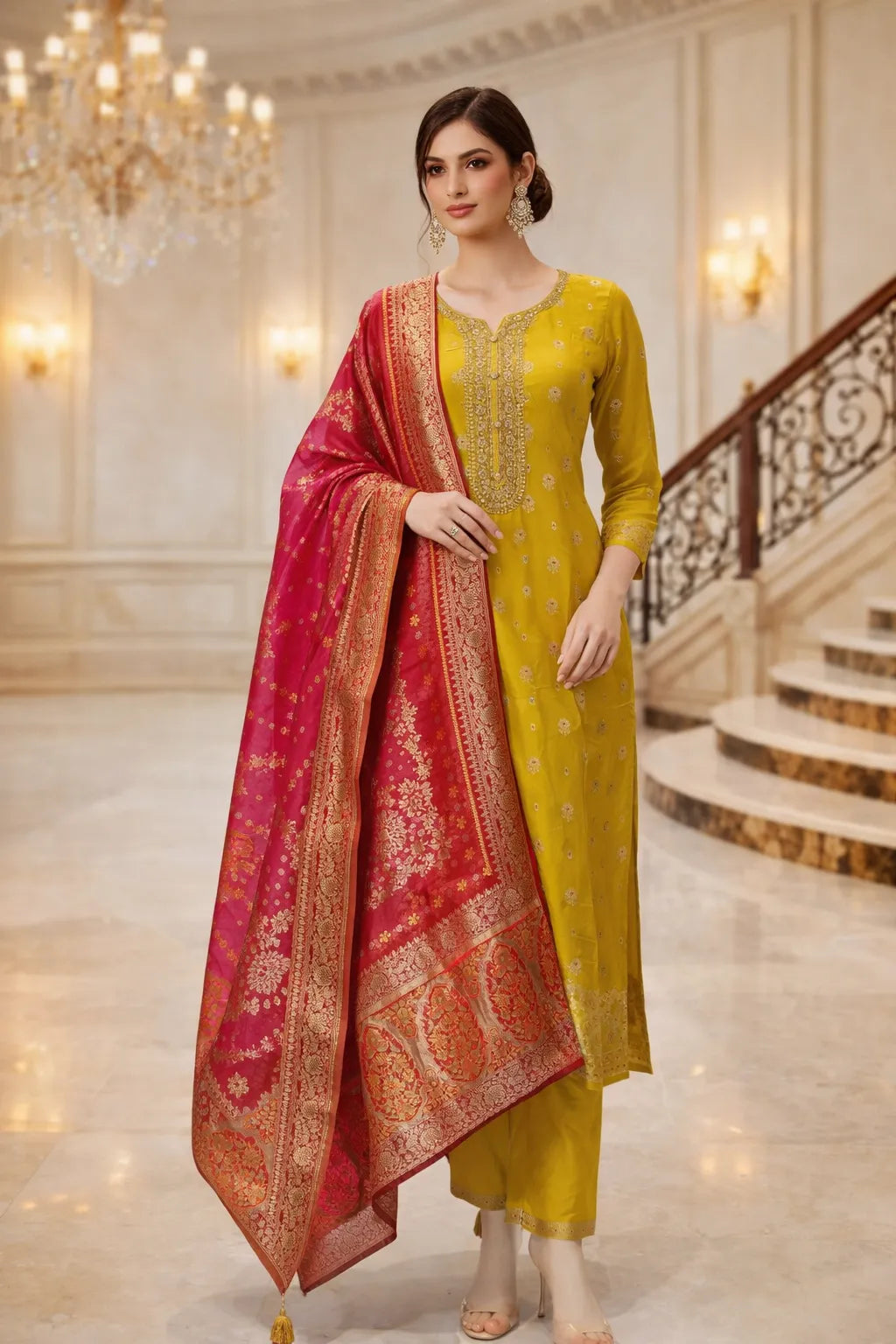
The Punjabi salwar suit has a cheerful and relaxed character that makes it easier to recognize. It traditionally features a shorter kameez with loose pleated salwar. The bottom has plenty of volume and gathers around the ankles, giving the outfit the familiar Punjabi look. Bright colors can add even more character to the style. But you don't need a heavily decorated outfit.
Patiala suit

The patiala suit is a classic Punjabi style but its bottom is what really sets it apart. It has numerous pleats and folds that create a loose voluminous shape. As the bottom is so roomy this is one of the types of salwar that puts comfort first while still giving you a unique ethnic look.
Churidar suit

A churidar is quite different from the patiala. Instead of being loose and voluminous the bottom is narrow and fitted. The bottom works really well with anarkali and straight-cut kameez styles. It creates a neat traditional look and can be dressed up or down depending on the fabric.
Straight cut salwar suit

If you prefer simpler silhouettes the straight cut suit is your best bet. The kameez falls relatively straight from the shoulders instead of flaring widely. You can pair it with straight pants or cigarette style bottoms. It can work for everyday and professional dressing.
Palazzo suit
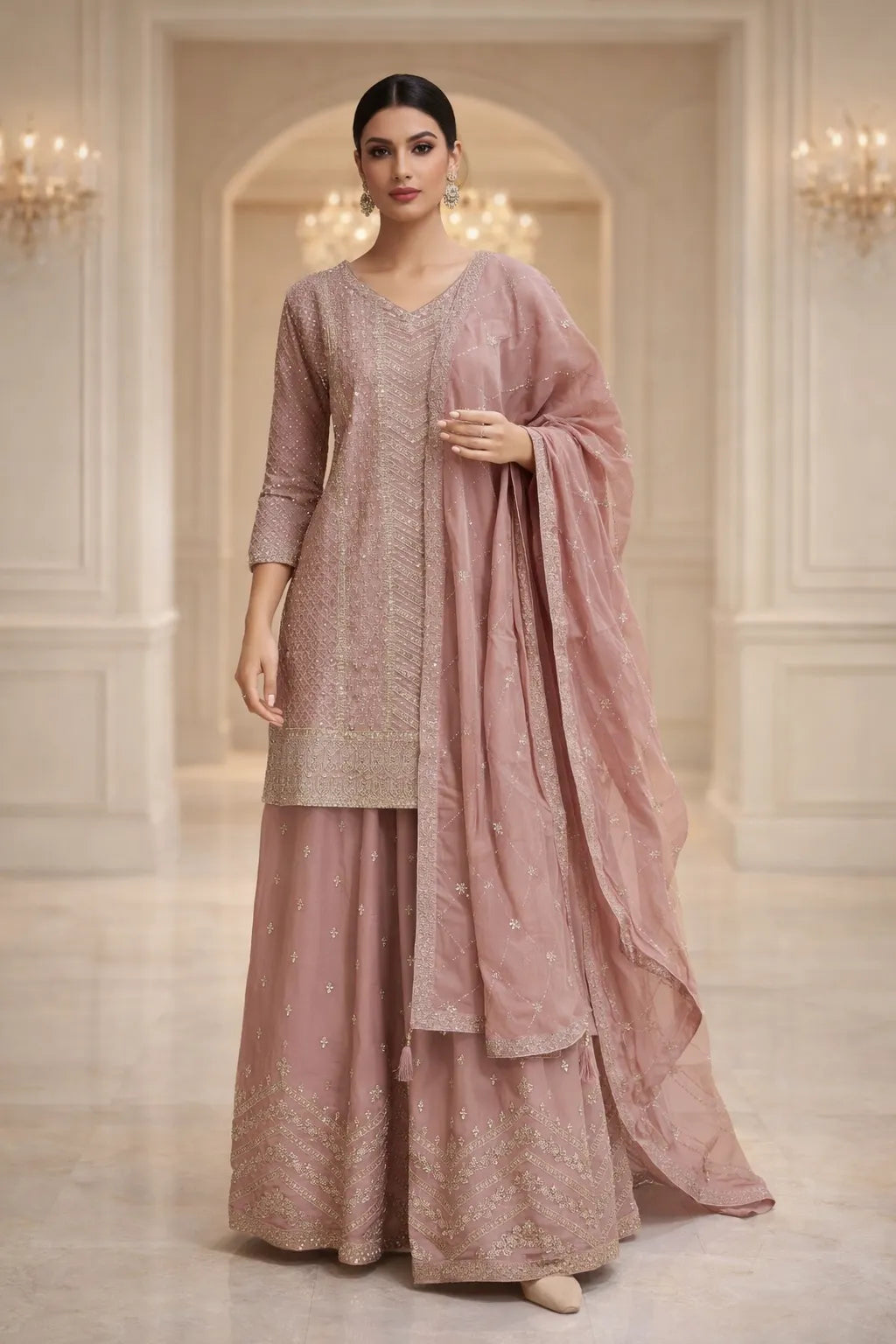
Palazzo suits have become a popular choice for women who want ethnic clothing without a fitted bottom. You can pair it with wide leg palazzo pants giving the outfit a relaxed shape. Depending on the fabric the look can be casual or festive. A printed cotton palazzo suit can be comfortable for daytime wear while an embroidered set can work for a celebration.
Sharara suit
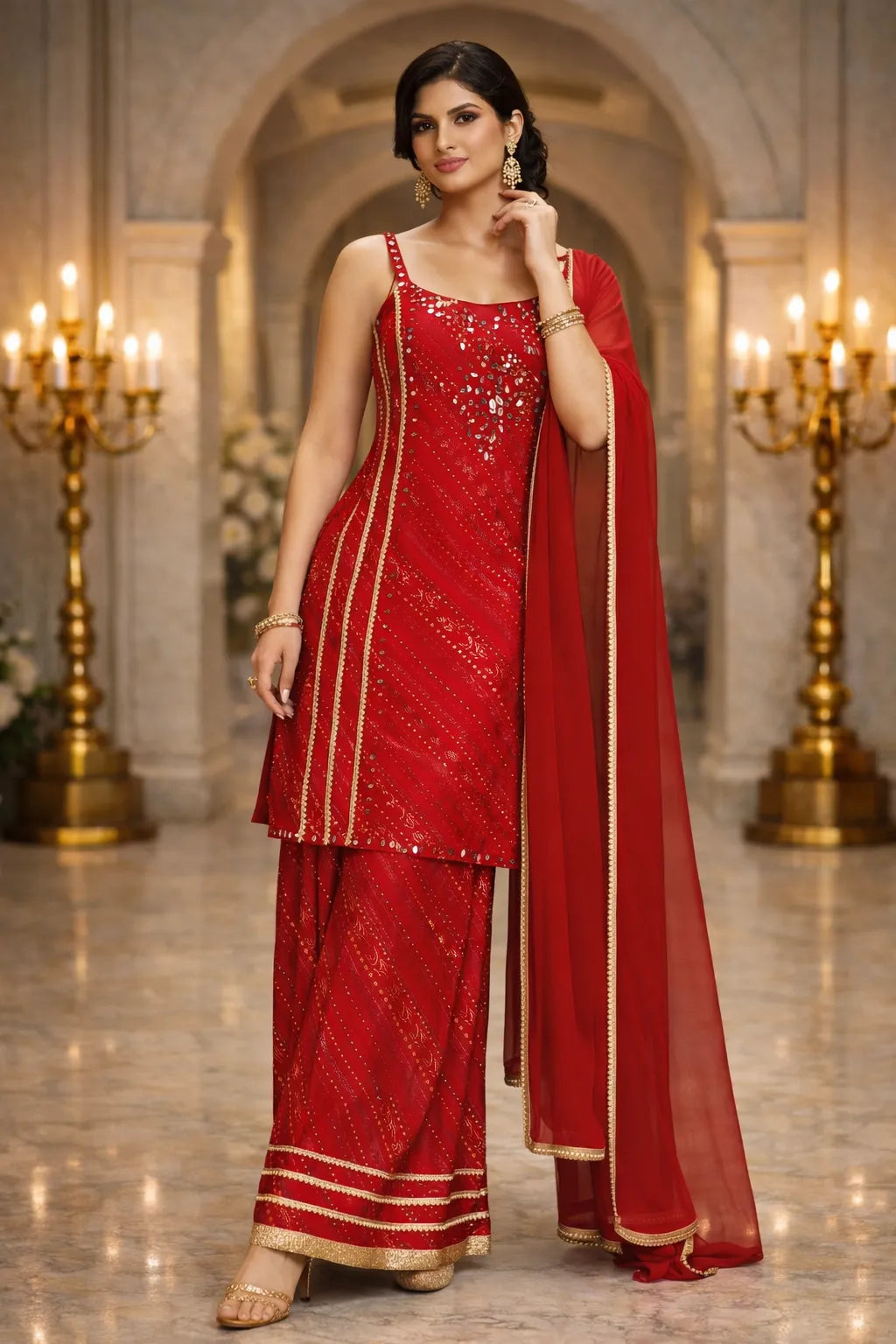
Sharara is instantly recognizable because of its dramatic wide-leg flare. The bottom usually opens out considerably creating a flowing shape that especially looks beautiful when you walk or move. It is best for mehndi and weddings.
Gharara suit
A gharara might look similar to a sharara suit but the construction is very different. A traditional gharara has a fitted portion around the upper leg before flaring out below the knees. This creates a noticeable break between the fitted and flared sections.
Pakistani salwar suit
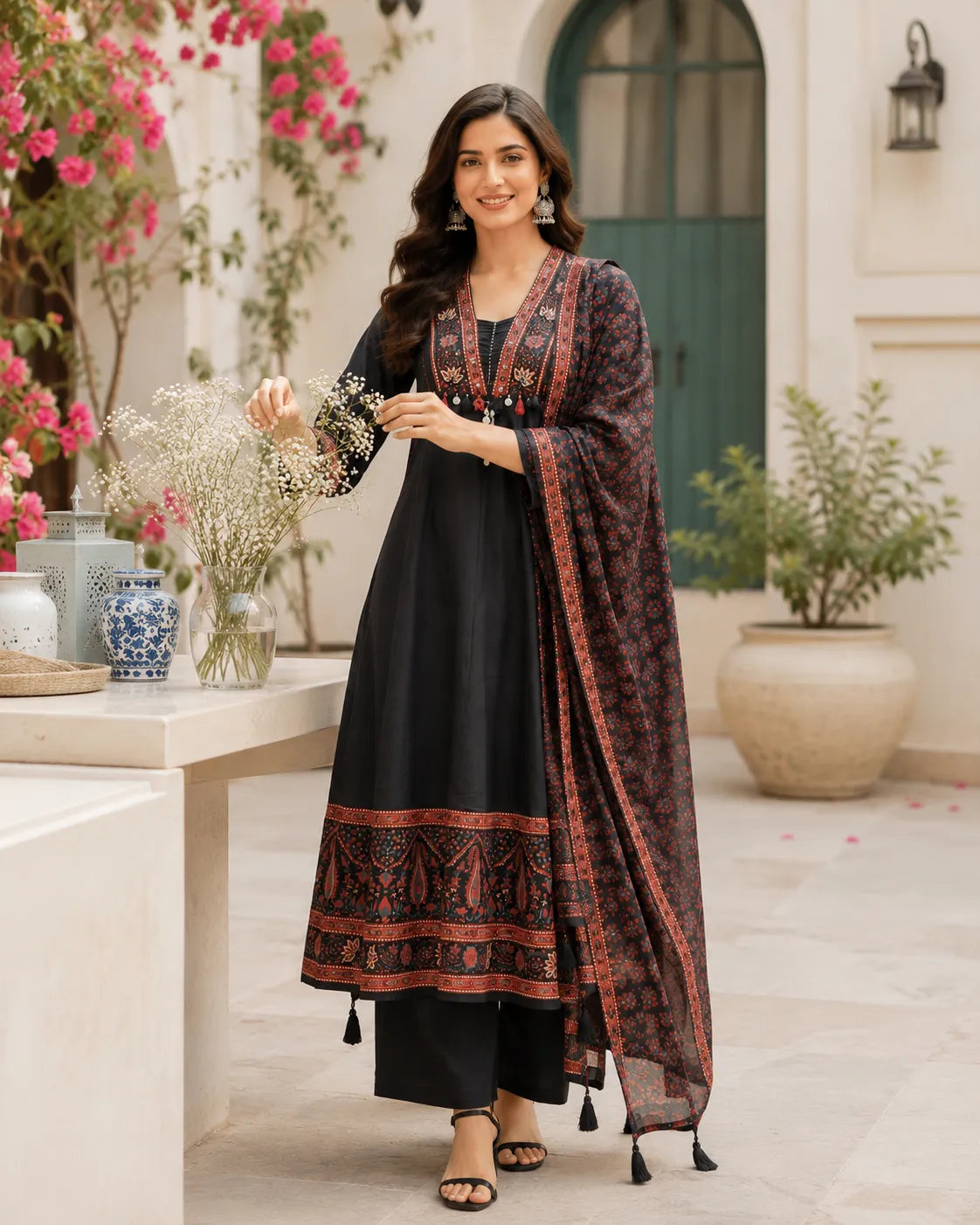
Pakistani style suits are known for their longer kameez silhouettes, elegant detailing and relaxed bottoms. They can range from simple printed cotton outfits to heavily embroidered festive sets. Straight pants and other relaxed bottoms can be paired with the kameez.
Afghani salwar suit
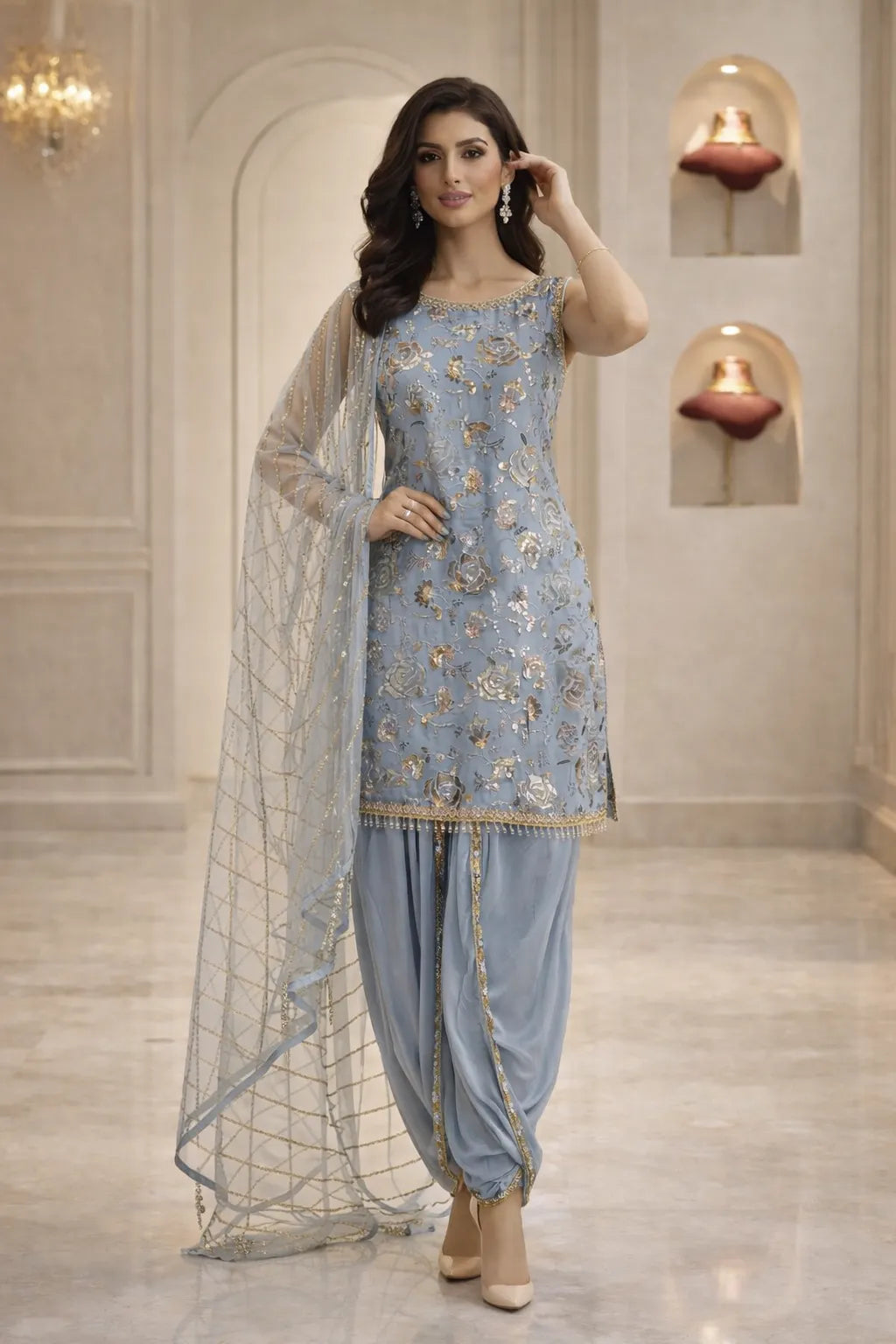
The afghani salwar is known for its loose and gathered shape. Unlike the narrow churidar it gives your legs plenty of room and usually gathers around the ankle. The relaxed bottom is often paired with a shorter or medium length kameez.
A-line salwar suit
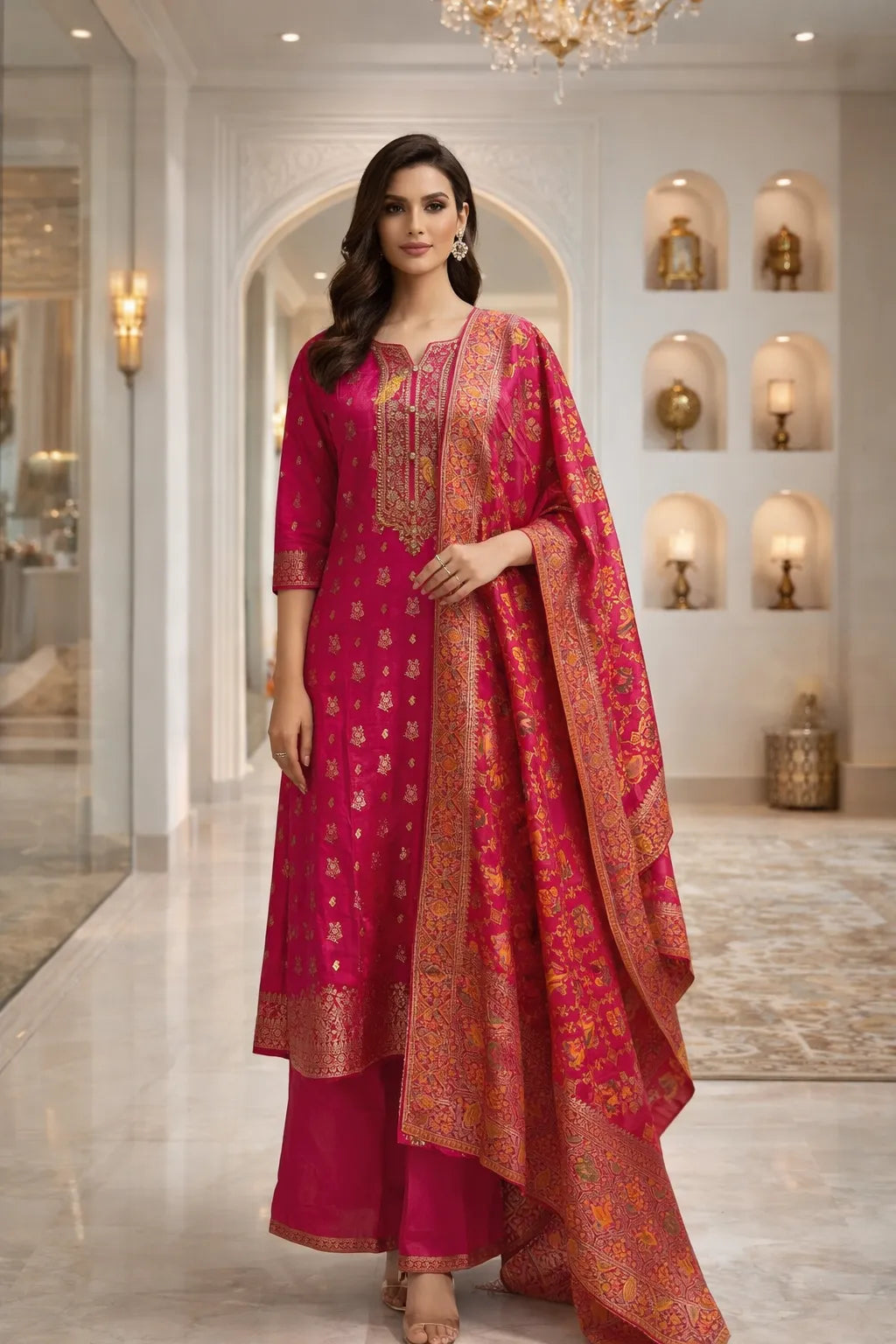
A-line salwar suit has a kameez that gradually widens towards the hem creating an A shaped silhouette. It's a simple change but it can make the outfit look very different from a straight cut suit. The shape gives the kameez some movement without the dramatic flare of an Anarkali
Frock style suit
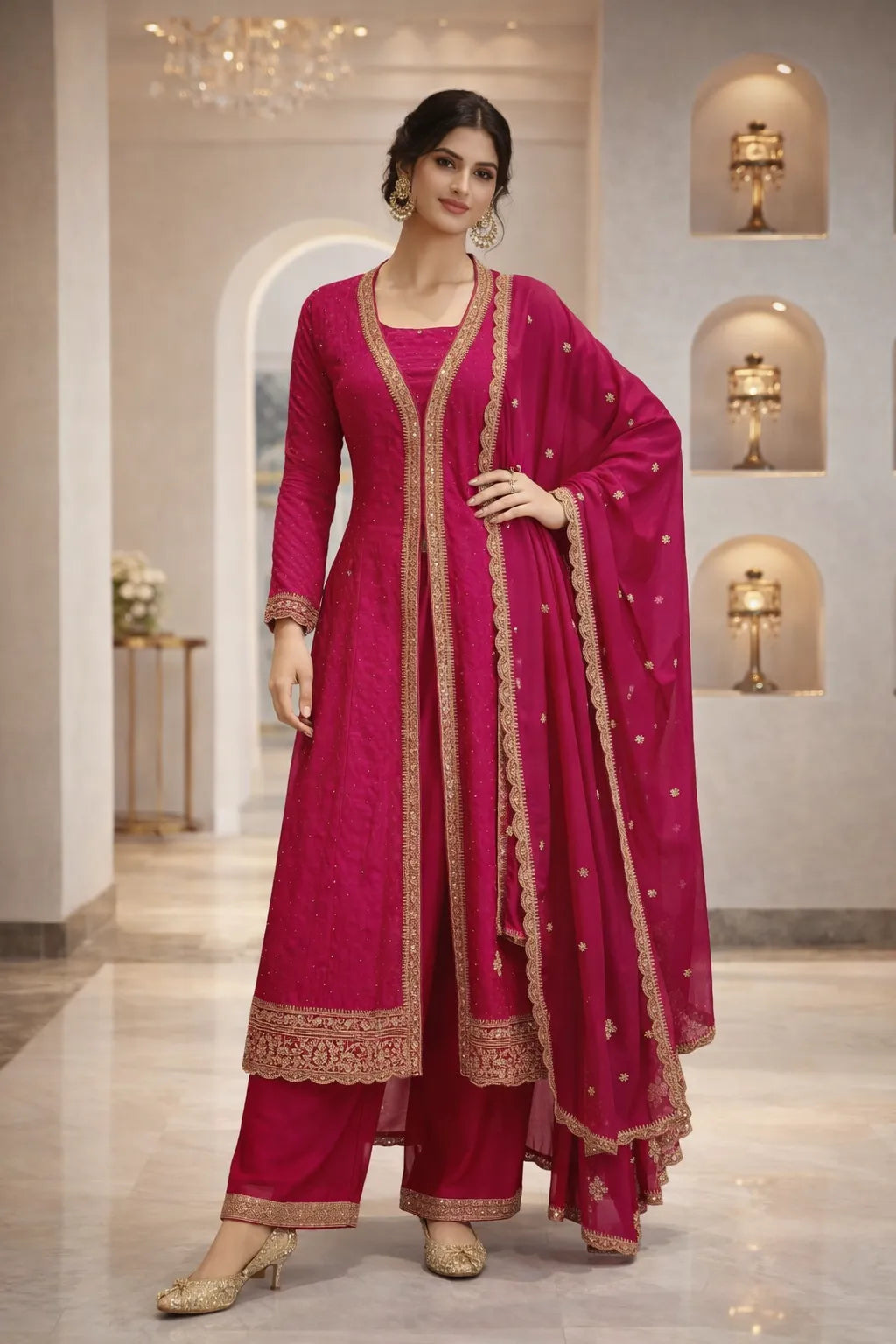
A frock style suit combines the familiar elements of a salwar kameez with a more flared dress like kameez. The top usually has a fuller shape and can be paired with churidar or straight pants. The style is especially useful when you want something traditional but don't want a typical straight kameez.
Cotton salwar suit
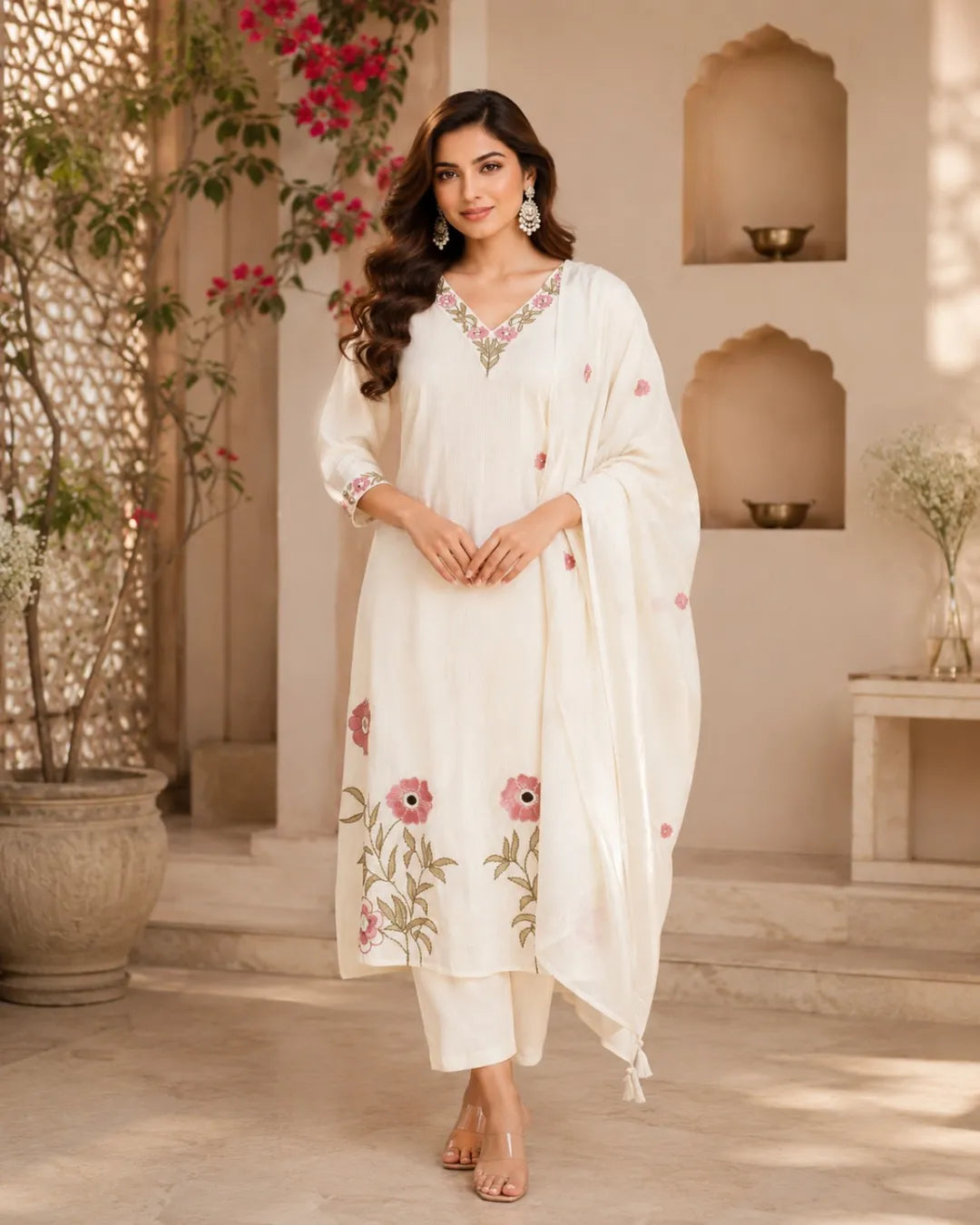
Technically, cotton is a fabric rather than a silhouette. But it deserves a place on this list because of how popular they are for everyday Indian wear. Cotton is completely breathable and easy to wear for long hours. Printed cotton suits are especially useful when you want something that looks put together without feeling too formal.
Embroidered salwar suit
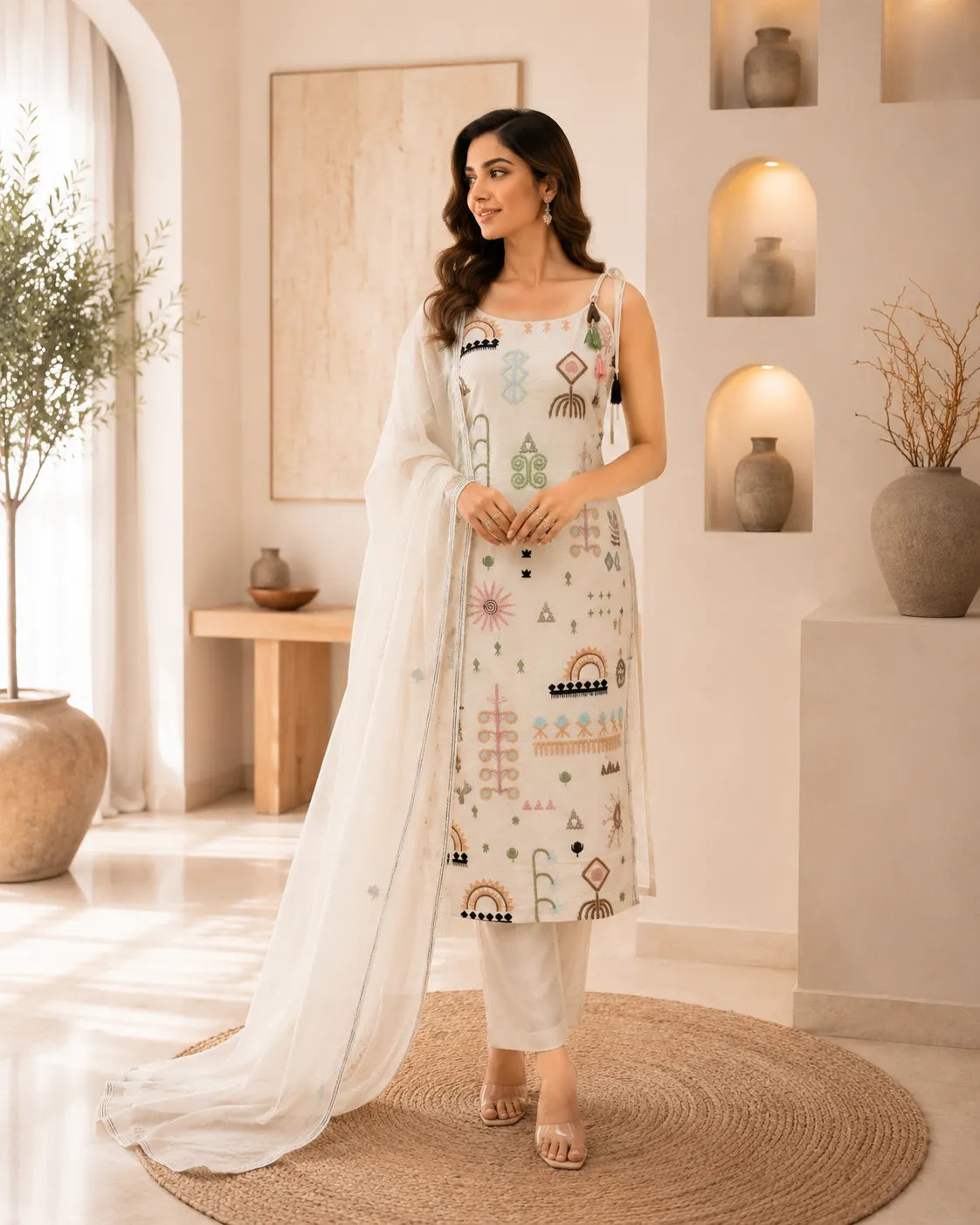
Sometimes it is the detailing rather than the silhouette that changes the whole personality of your outfit. Embroidered suits feature thread work, zari mirror work and decorative techniques. You don't necessarily need heavy embroidery everywhere. A detailed neckline or embroidered sleeves can be enough to make a simple suit feel special.
Printed salwar suit

Printed suits are among the easiest styles to wear regularly. Floral prints, geometric patterns, and traditional elements can completely change the appearance of a simple kameez. The best part about printed suits is that you can keep the accessories completely simple. A pair of earrings, comfortable footwear, and the dupatta can be enough to complete the look.
Designer salwar suit
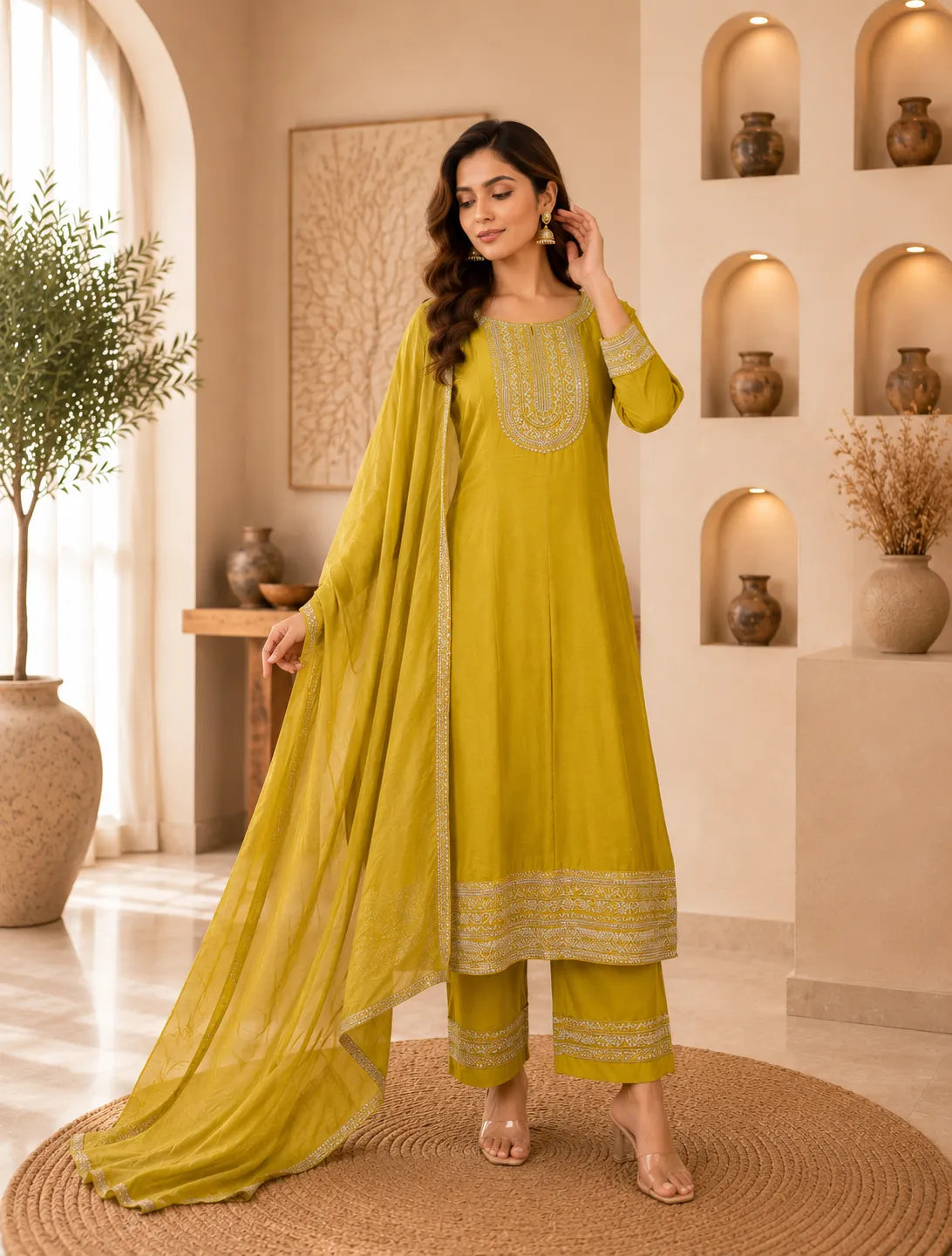
Designer salwar suits usually focus more heavily on the overall styling and detailing. They might combine an unusual neckline with an interesting silhouette using statement embroidery, bringing together traditional textile influences.
Flared salwar suit
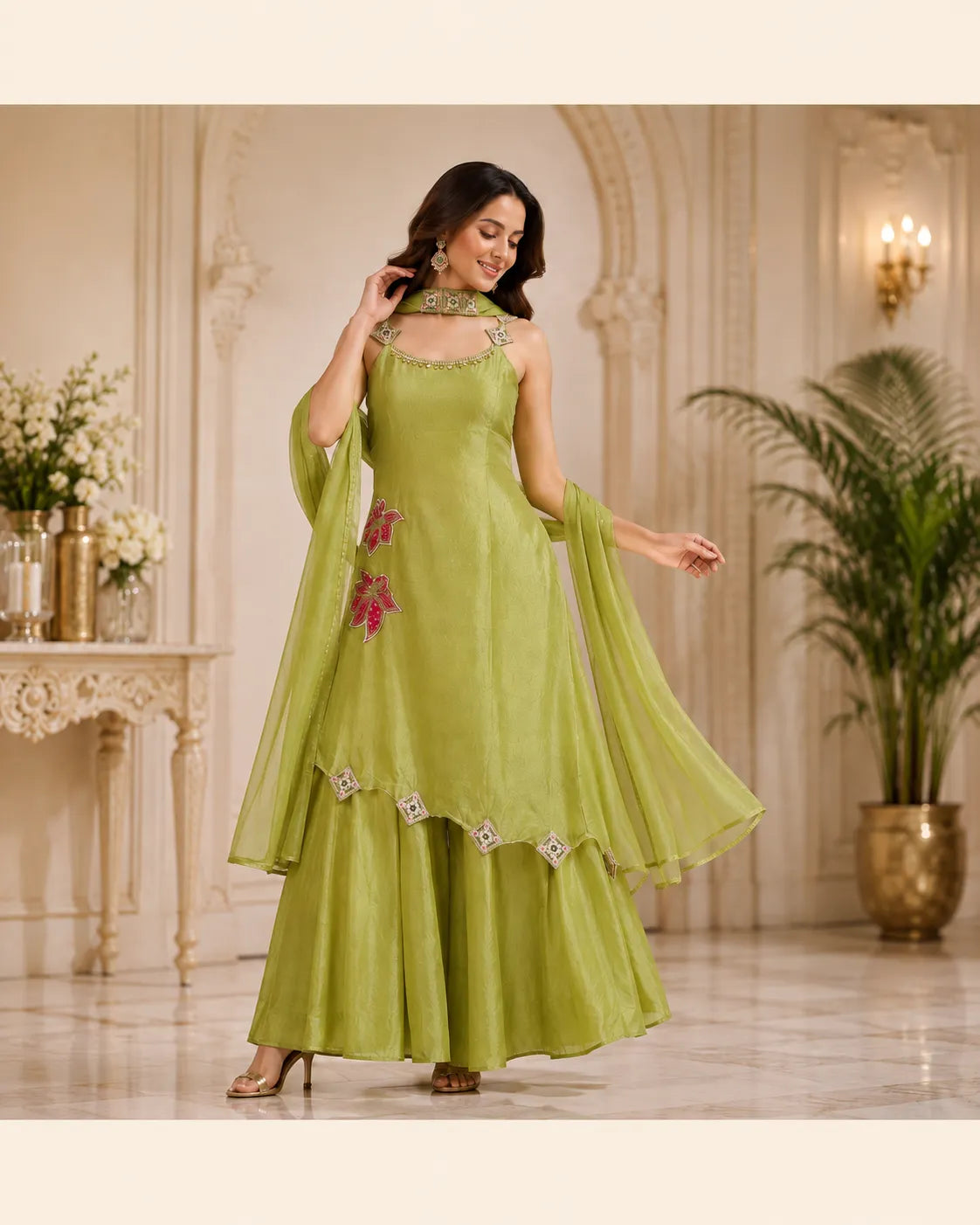
A flared suit has a kameez that becomes wider towards the hem. Anarkalis are the most familiar example but not every flared suit has the same amount of volume. Some have a subtle flare that is easy to wear during the day while others have a dramatic flare designed for festive occasions.
Drape style suit
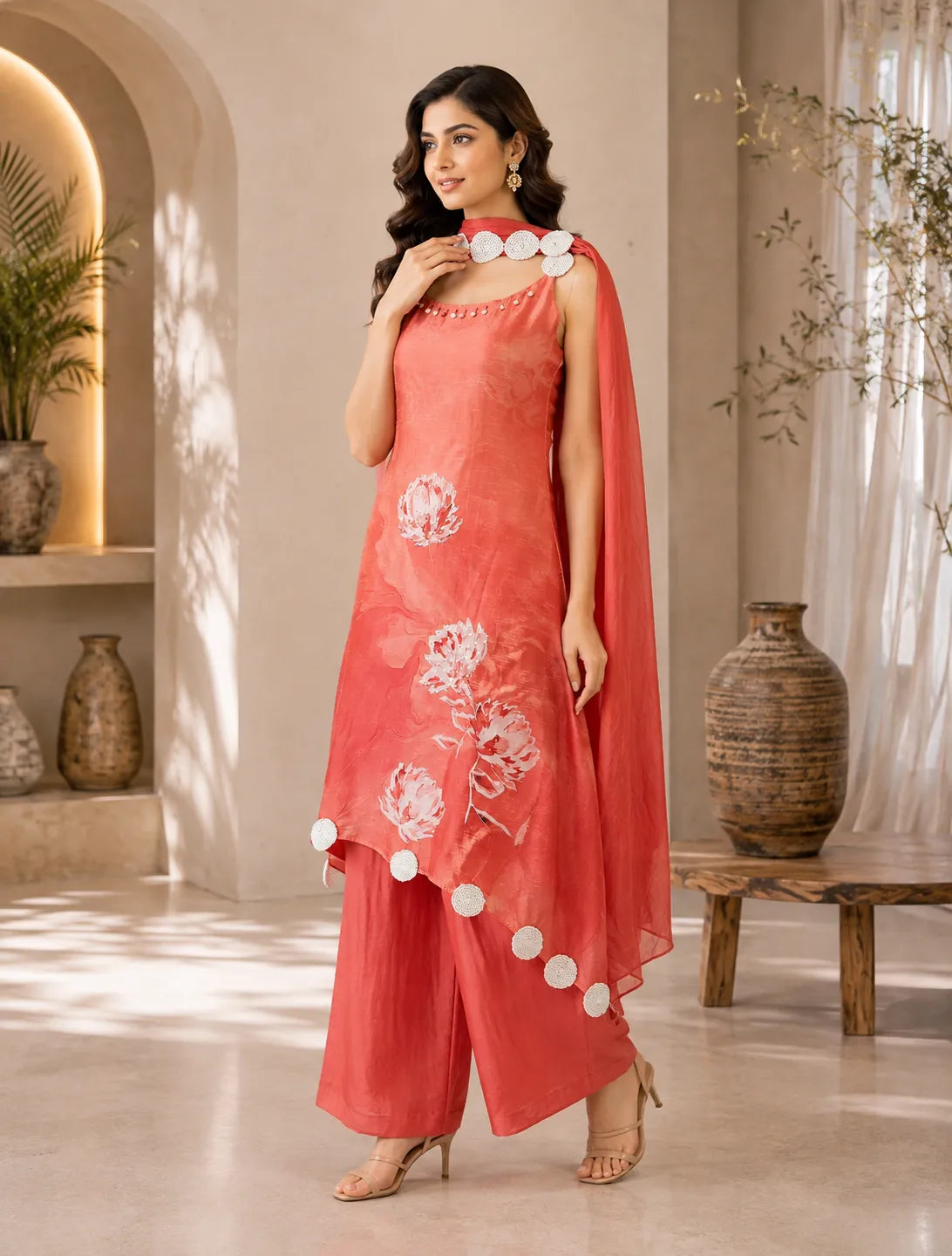
Drape style suits give the traditional salwar kameez a more contemporary look. Instead of relying only on the slip of the kameez and the bottom the styling uses draped fabric to create an interesting silhouette.
Asymmetrical suit
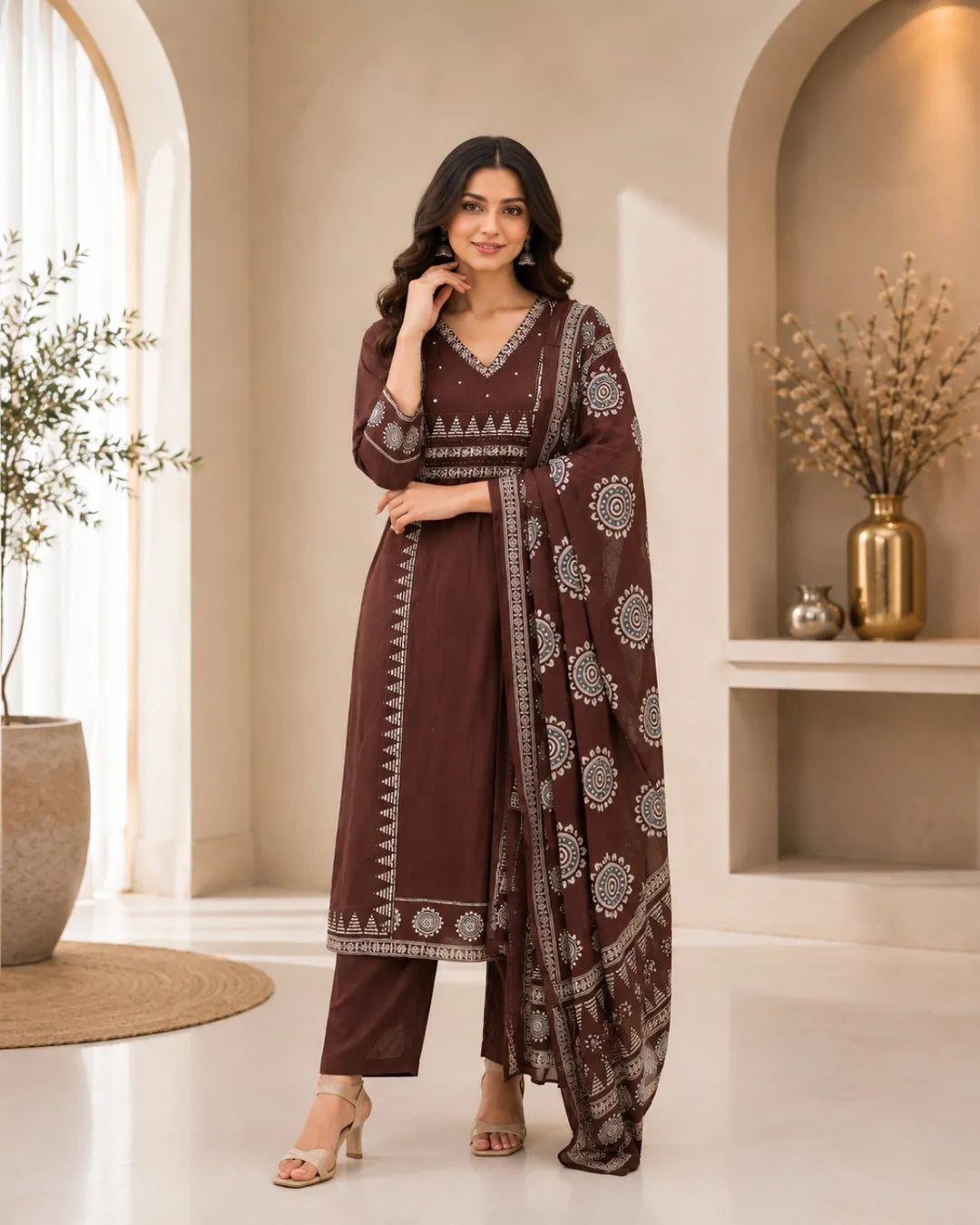
An asymmetrical suit has a hemline that does not follow the traditional straight or evenly flared shape. One side might be longer or the kameez might feature an uneven layered hem; it gives the familiar salwar kameez a more contemporary look.
Heritage cotton suit
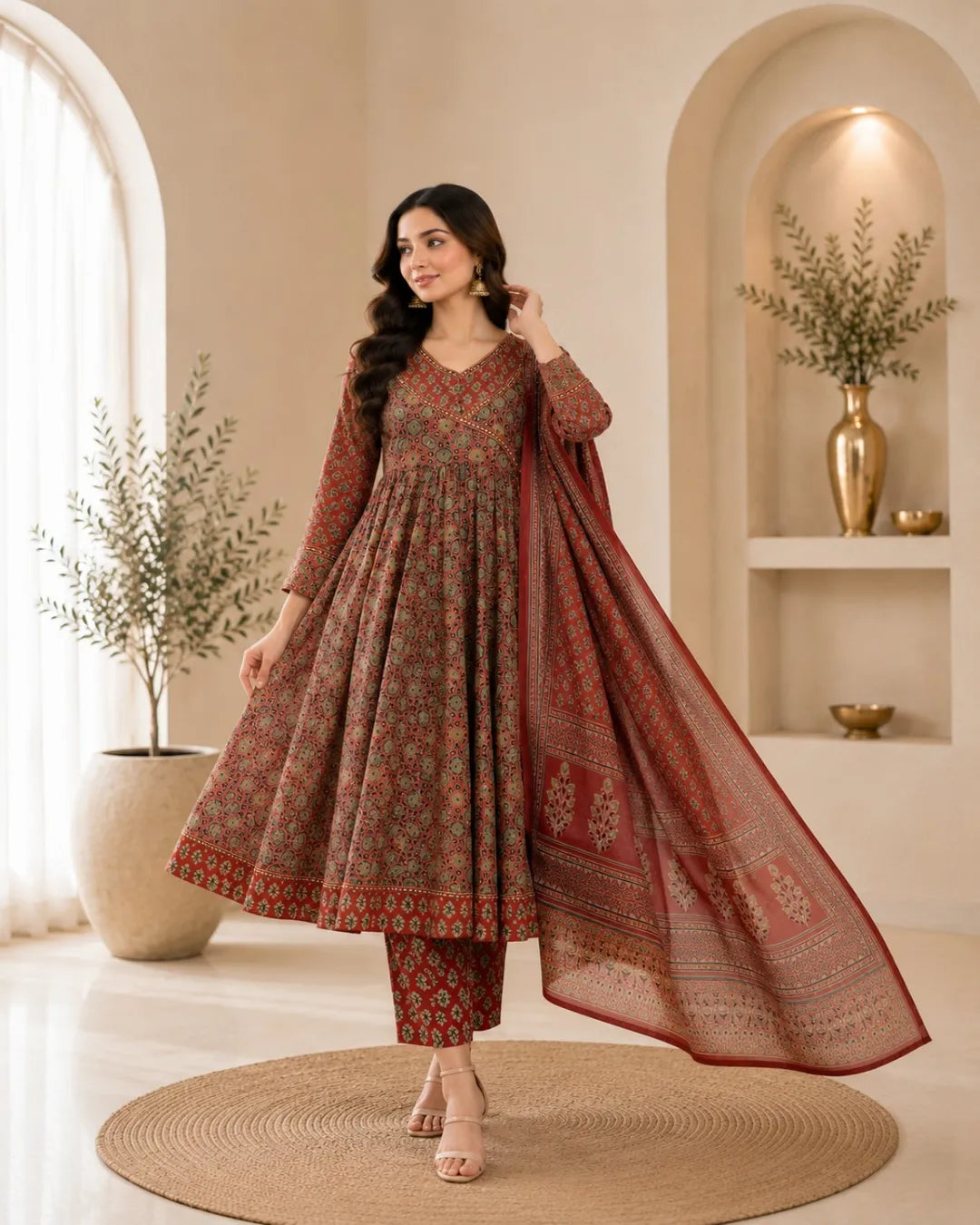
Heritage-inspired cotton suits bring traditional prints, colors, and textile influences into a comfortable everyday silhouette. They are your best bet when you want your outfit to have some cultural character without looking overly formal. Traditional elements and earthy colours can give your simple cotton suit a unique appearance.
Conclusion
So you need to know the best part about having so many types of salwar suits is that you don't have to stick to anyone's style. A cotton straight suit can become your everyday favorite, while an anarkali can take care of festive occasions. The trick is to understand the difference between the silhouettes and then choose according to what you actually enjoy wearing.